How to Remove Snow From Your Car Safely (Roof Too)
The roof is the part everybody skips, right up until it slides onto the windshield.
Cold mornings in Colorado and across snow country make that shortcut tempting. A clear peephole feels like progress, but roof snow still sits there, ready to dump forward when you brake. This guide covers snow removal for the whole car: paint, glass, lights and the roof.
Quick answer: Clear the roof first, then the hood, trunk, windows, mirrors and lights. Use a soft snow brush on paint and the scraper only on glass. Clear the tailpipe before you warm up. The National Weather Service says to make the vehicle completely clear of ice or snow before you start, because flying snow from cars causes accidents. Some states also fine drivers who leave snow and ice on the roof and other exposed surfaces.
Why the roof matters (and the law)
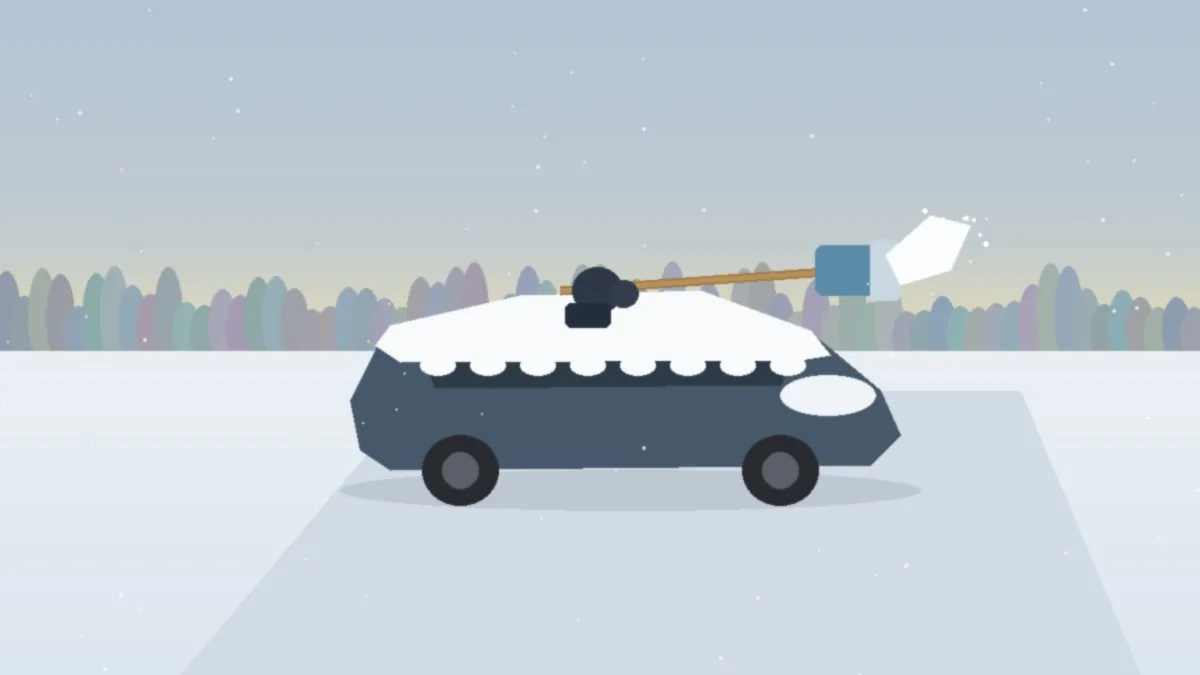
Roof snow can slide onto the windshield when you brake, or break free and hit the car behind you. The National Weather Service tells drivers to clear the whole vehicle before they leave.
These are the state pages opened for this post:
- New Jersey (N.J.S.A. 39:4-77.1): make all reasonable efforts to remove accumulated ice or snow from exposed surfaces before operating, including the hood, trunk, windshield, windows and roof. The NJ AG Highway Traffic Safety palm card lists fines of $25 to $75 for failing to clear, and $200 to $1,000 if flying ice or snow causes damage or injury.
- Pennsylvania (75 Pa.C.S. section 3721): make reasonable efforts to remove accumulated ice or snow from the hood, trunk and roof within 24 hours after snowfall stops. Fine: $50 per offense even if nothing falls off; $200 to $1,500 if dislodged snow or ice causes death or serious bodily injury.
- Connecticut (Public Act 13-102, now Conn. Gen. Stat. section 14-252a): remove accumulated ice or snow from the hood, trunk and roof so it does not pose a threat to persons or property. Fine: $75 infraction for noncommercial vehicles when the threat remains; $200 to $1,000 if dislodged snow or ice causes injury or property damage.
Your state may differ. The safe habit is the same: clear the whole car, roof included.
What you need: a snow brush and an ice scraper
A Snow brush and ice scraper combo covers most driveway mornings. Keep it where you can reach it, not buried under bags in the trunk.
How to choose a car snow brush
For a car snow brush, check:
- Length: tall SUVs and vans need a longer handle so you can reach the center of the roof without climbing on the car.
- Head: a foam or soft head is kinder to paint. AAA Hudson Valley recommends a foam snow brush for hood and roof and saving a stiffer brush for glass.
- Grip: cold hands slip, so a foam or rubber grip helps.
- Combo tools: brush on one end, plastic scraper on the other.
A long-handled ice scraper also helps on taller glass once frost softens.
Scraper blade: glass only
The hard plastic blade is for glass, not paint. Never use metal scrapers, keys or knives. AAA says metal scrapers can scratch glass and damage wiper blades. Keep the blade flat once the ice loosens.
Step by step: clearing snow off a car
Dress for the cold, then work top to bottom.
- Clear the tailpipe area first if you plan to start the car. The CDC warns a blocked tailpipe can let carbon monoxide build up in the cabin. NHTSA says to clear the exhaust and run the car only sporadically for warmth.
- Start outdoors only after the exhaust is clear. Never idle in an attached garage. Select warm front defrost; turn on rear defrost and heated mirrors if equipped.
- Brush the roof first. Push snow off the sides, not over the windshield if you can help it. AAA Northeast says to use a long-handle snow brush or snow broom and clean from the middle before snow turns to ice.
- Clear the hood and trunk next so meltwater does not run onto glass you just cleaned.
- Brush and scrape every window and the side mirrors. A peephole is not enough. For stubborn frost, see how to defrost a windshield.
- Free the wipers last. Do not force blades frozen to the glass.
- Wipe inside glass if it fogs. A clean microfiber cloth helps. For heavier cabin fog, see foggy windshield tips.
- Walk around once more for lights, sensors, cameras and plates.
If the car is stuck after you clear it, use the dig-out steps in car stuck in snow.
Free every Sunday
Get the free Sunday Roundup
Trucking headlines, road stories, useful gear finds and a few laughs, in your inbox every Sunday.
Ice on the glass: scraper, de-icer or heat?
Loose snow comes off with the brush. Bonded ice needs heat, a plastic scraper or an automotive windshield de-icer spray used per the label. Warm the front defrost outdoors with the exhaust clear, spray de-icer if you use it, then scrape gently.
Do not pour hot water on cold glass. AAA says hot water can crack glass by thermal shock and can refreeze. Do not use a torch or open flame.
How not to scratch your paint
Most paint scratches come from the wrong tool, not the snow.
- Use a soft foam or soft-bristle head on paint. AAA Hudson Valley says a stiff windshield brush can be abrasive on the body.
- Do not use a broom, shovel or metal-edged tool on the body. AAA Northeast says never use a shovel on the car.
- Check gloves for metal snaps or hard plastic that can mark paint.
- Brush snow off before it turns to ice.
- Watch dirty covers: AAA warns a moving cover can scratch dirty paint.
- Aim de-icer at glass. AAA notes many aerosol de-icers are mostly alcohol and may remove wax from paint.
A glass cleaner and a clean cloth can clear salt film once you are parked and warm.
Do not forget the tailpipe, lights, sensors and plates
Make a short second pass before you leave: clear the tailpipe (CDC and NHTSA both treat a blocked exhaust as a carbon monoxide hazard), headlights, brake lights, turn signals, side mirrors, rear window, camera and sensor spots, and license plates.
NHTSA's winter stock list includes a shovel, broom or brush and ice scraper. See our winter car emergency kit for the fuller packing list.
Tips for a car without a garage
Clear soon after the snow stops, before it packs or freezes hard. A fitted windshield cover can cut frost on the glass; AAA says covers work best when little or no heavy snow is expected, because a loaded cover is hard to remove and can scratch dirty paint in the wind. Keep the brush in the cabin. Remote start only helps after the tailpipe is clear and the car is outdoors.
Gear mentioned in this post
- Snow brush and ice scraper: the everyday combo for roof, paint-safe brushing and glass scraping.
- Long-handled ice scraper: helpful on taller windshields once frost softens.
- Windshield de-icer spray: loosens stubborn frost on glass when used as the label directs.
- Clean microfiber cloth: wipe inside glass and mirrors after scraping.
- Glass cleaner: clears salt film on glass once you are parked and warm.
FAQ
How do you get snow off a car without scratching it?
Use a soft foam or soft-bristle snow brush on paint. Save the scraper blade for glass only. AAA advises against brooms, shovels and other abrasive tools on painted surfaces.
Do you have to clear snow off the roof of your car?
Yes, for safety and, in some states, by law. The National Weather Service says to make the vehicle completely clear of ice or snow before you start. Roof snow can slide onto the glass or fly into traffic.
What is the best tool for removing snow from a car?
A long-handled snow brush with a soft head for paint, plus a plastic ice scraper for glass. A windshield de-icer spray can help loosen frost. Match the brush length to your vehicle height.
Can you use hot water to melt snow or ice on a car?
No. AAA says hot water can crack cold glass from thermal shock and can refreeze. Use a plastic scraper, the vehicle defroster or an automotive de-icer instead.
Is it illegal to drive with snow on your car?
It depends on the state. New Jersey, Pennsylvania and Connecticut have specific snow-and-ice removal laws with fines. Check your own state's rules. Clearing the car is still the safe habit everywhere.
Sources and image note
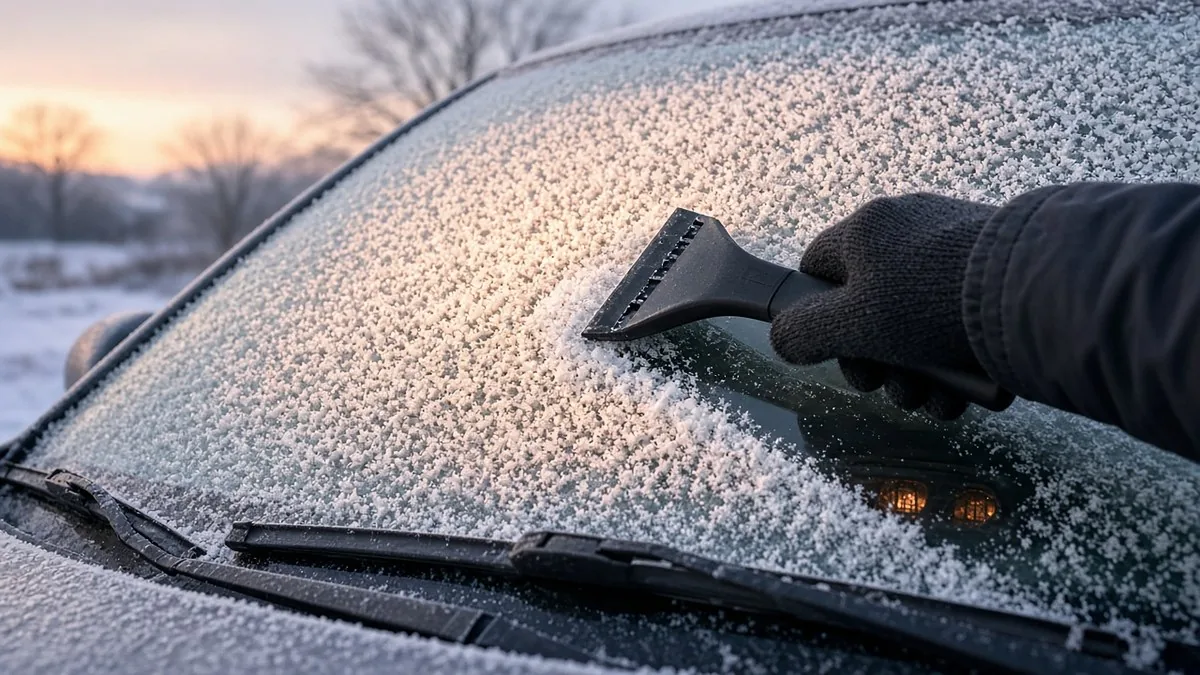
Sources reviewed November 6, 2026: National Weather Service winter storm safety; New Jersey Rev. Stat. 39:4-77.1; New Jersey AG Highway Traffic Safety ice and snow palm card; Pennsylvania Title 75 section 3721; Connecticut Public Act 13-102; AAA how to deice a windshield; AAA Hudson Valley snow clearing tips; AAA Northeast defrost and snow guidance; CDC clear snow from tailpipes; NHTSA winter driving tips. The header is an AI-generated editorial illustration, not a real customer incident or evidence of product testing.
Related articles you may find useful
Read next: How to Defrost a Windshield Fast (Without Cracking It)
Read next: Winter Car Emergency Kit: What to Keep in Your Car in Winter
Winter driving help for the week ahead lands in the free Sunday Roundup.