Tire Inflator vs Air Compressor: Which One Do You Need?

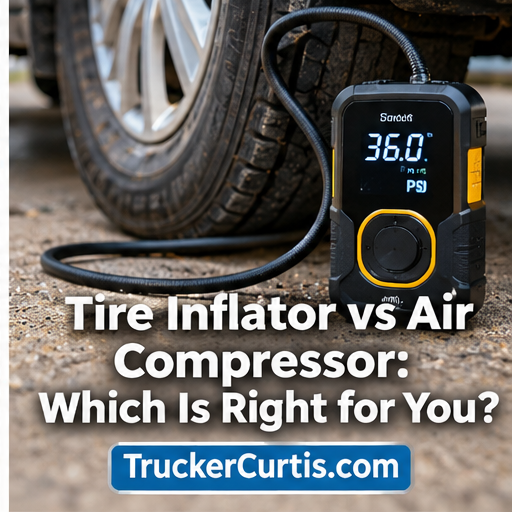
A tire inflator is a small portable air compressor designed primarily for topping up tires and sports gear. Many run on a 12V outlet or rechargeable battery and fit in the trunk. A larger garage compressor usually delivers more airflow and may have a storage tank, making it useful for air tools. For most passenger-car drivers, a compatible portable inflator and a good tire gauge are enough.
Disclosure: This article contains affiliate links. If you purchase through these links, we may earn a commission at no additional cost to you.
The names sound different, but the basic job is the same: move compressed air. The important difference is how much air the equipment can deliver, how long it can run and where you plan to use it.
The short answer
• Get a portable inflator if you want to top up passenger-car tires on the road or after a cold snap.
• Get a garage compressor if you regularly use pneumatic tools or need greater sustained airflow.
• Consider both if you do garage projects and also want something small in the vehicle.
What's the difference?
Feature | Portable tire inflator | Garage air compressor |
|---|---|---|
Typical power | Rechargeable battery or 12V vehicle supply | Household electricity, sometimes other power |
Tank | Usually tankless | Often includes a tank, though not always |
Portability | Small enough for the vehicle | Usually bulkier and heavier |
Filling car tires | Intended for occasional top-ups | Can be suitable with the correct regulator and chuck |
Air tools | Generally not intended for continuous air tools | Suitable when airflow and pressure ratings match the tool |
Noise | Varies by model | Varies; larger units can be loud |
Best use | Roadside and routine tire pressure | Garage work and higher-airflow tasks |
Neither category guarantees a particular fill time. A compressor's airflow rating, duty cycle, hose setup and tire size all matter.
When a portable tire inflator is enough
For routine tire-pressure maintenance on a car or SUV, a compatible inflator can be a sensible choice. It's also useful after temperature drops trigger a pressure warning. First, check whether the tire is actually low, and investigate leaks or damage rather than repeatedly adding air. Our Tire Pressure Light On in Cold Weather? Check This Before Buying Parts explains why readings change.
Best next read: Portable Tire Inflator for Winter: What to Check Before Buying.
Cordless tire inflator. Useful for drivers who value portability; check charge level, hose length and compatibility.
12V plug-in tire inflator. Useful when you prefer vehicle power; check the outlet rating and manufacturer instructions.
When you want a larger air compressor
A shop compressor makes sense if you use pneumatic tools, need sustained airflow or maintain larger equipment. Big truck and RV tires can require more volume or pressure than a small consumer inflator can reasonably supply. Match the compressor's rated output to the equipment rather than relying on the advertised maximum PSI alone.
A tire chuck and pressure gauge can let a suitable garage compressor inflate tires, but a regulator and proper technique matter. Read the equipment manual and use the vehicle's recommended tire pressure.
Garage air compressor. Check tank size, airflow at working pressure, electrical requirements and tool compatibility.
Get the Trucker Curtis Sunday Roundup
Road stories, everyday laughs, useful travel and vehicle tips, and practical finds in one free Sunday email.
Cordless versus 12V inflators
Cordless models are easy to carry around the car, but only if the battery is charged and stored according to instructions. A 12V model avoids a separate rechargeable battery, but it must work with your vehicle's outlet and electrical limits. Follow the maker's instructions about whether the engine should be running, and only operate an engine outdoors in a well-ventilated location, never inside a garage.
What about jump-starter and inflator combos?
A combination unit can reduce the number of gadgets in the trunk. The trade-off is that you depend on one battery and one device for two jobs. Check the jump-start compatibility and the inflator's actual performance separately. Our Portable Jump Starter for Winter: 9 Things to Check covers the battery side.
Jump starter with tire inflator. Check jump-start compatibility and inflator ratings independently; recharge as directed.
What to check before buying
Pressure and airflow
Make sure the device can meet the vehicle's recommended pressure and tire size. Maximum advertised PSI is not the same as useful airflow. For larger tires, look for airflow ratings and realistic operating limits.
Auto shutoff and gauge accuracy
Automatic shutoff is convenient, but use a separate reliable gauge to verify pressure. A clear display helps when checking tires in poor light.
Hose, cord and duty cycle
Can the hose reach every valve? Can the power cord reach the rear tires? Does the manual require cooling breaks? Those details matter more than flashy packaging.
How to fill a tire correctly
Park safely and check the tire pressure when the tires are cold, meaning the car hasn't recently been driven far enough to heat them significantly. Find the recommended pressure on the driver-door placard or in the vehicle manual. Do not inflate to the tire sidewall's maximum as your default target. Add air gradually and recheck with a gauge. Include the spare if the vehicle has one. NHTSA recommends checking tires at least monthly.
If the tire is visibly damaged, losing pressure quickly or unsafe to drive, stop and seek professional help. See the Road Trip Tire Emergency Kit: 10 Things to Pack Before You Leave for more preparation. Proper inflation can also help fuel efficiency; the Department of Energy explains the connection.
FAQ
Is a tire inflator the same as an air compressor?
A tire inflator is a type of air compressor designed for a narrower job, usually topping up tires.
Can a tire inflator run air tools?
Most small consumer inflators are not intended to supply the sustained airflow pneumatic tools need. Check the tool and inflator specifications.
Do I need a garage compressor for car tires?
Usually not. A suitable portable inflator can handle routine passenger-car tire top-ups.
What PSI should I use?
Use the vehicle manufacturer's recommended cold inflation pressure on the door placard or in the owner's manual, not the sidewall maximum.
For more shopping guidance, browse gear and gadgets or get new road-trip tips by email.
Some links on this website may be affiliate links, which means we may earn a small commission when you make a purchase, at no extra cost to you. As an Amazon Associate I earn from qualifying purchases. Your support helps keep Trucker Curtis going, and we truly appreciate it!


Comments