How to Stay Awake While Driving: What Actually Helps
The coffee is not the fix. The fix is boring: sleep, and a safe place to stop.
Thanksgiving week puts a lot of people on long drives, often after a short night or a big meal. If you have ever caught yourself blinking hard on a dark highway, this post is for you.
I have been driving professionally for seven years, and I am not a doctor. The safety agencies all land in the same place: sleep, planned stops, and pulling over when you are tired.
Quick answer: if you are fighting sleep right now, get off the road at a safe, well-lit place and rest. Coffee and cold air only help for a short time. NHTSA says adequate sleep is the only true protection, and CDC's NIOSH says sleep is the only real fix for fatigue. Then plan the next stretch: a break every two hours or 100 miles, a second driver if you have one, and no driving in the small hours if you can avoid it.
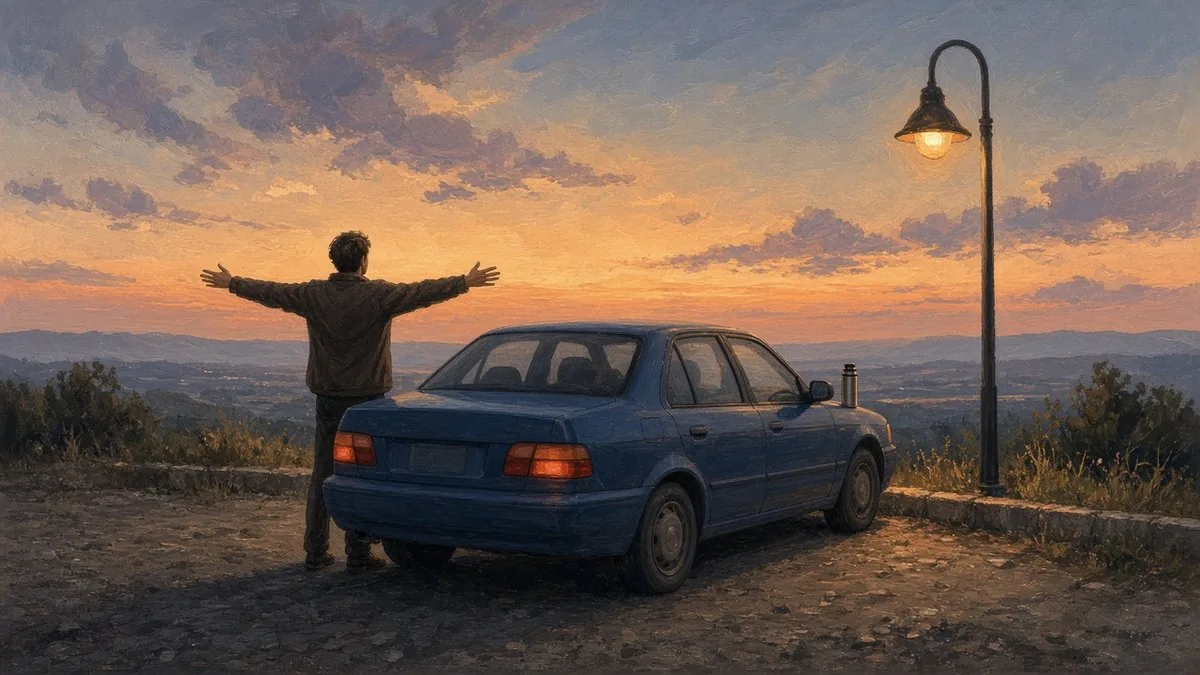
The safe fix for sleepiness is to stop and rest
NHTSA estimates that in 2017, 91,000 police-reported crashes involved drowsy drivers, injuring about 50,000 people and killing nearly 800, and it says experts agree that is an undercount. The AAA Foundation for Traffic Safety has estimated that 16% to 21% of police-reported fatal crashes likely involve drowsy driving.
Tired drivers are also poor judges of how tired they are. In a AAA Foundation simulator study, 75% of drivers who rated their drowsiness as low were in fact moderately or severely drowsy. So the plan below does not depend on how you feel. It depends on stopping on a schedule, and stopping early.
Warning signs you are too tired to drive
The AAA Foundation lists these danger signs and says that if you have even one of them, you could be sleepier than you think:
- Trouble keeping your eyes open or your head up
- Yawning often or rubbing your eyes
- Daydreaming or wandering thoughts
- Drifting from your lane, tailgating or hitting the rumble strips
- Missing signs or driving past your exit
- Not remembering what you just passed
FMCSA adds heavy eyes and blurred vision. NHTSA warns about micro sleeps: four or five seconds asleep at 55 miles per hour covers more than 100 yards.
Before you leave: sleep and timing
- Get a full night of sleep. NHTSA urges seven to eight hours a night and says to get a good night's sleep before a long family car trip. The AAA Foundation says sleeping less than six hours raises your risk of falling asleep at the wheel, and less than four hours is especially dangerous.
- Do not work all day and then drive all night. The AAA Foundation says a driver who has been awake 20 or more hours is at high risk of falling asleep. The National Safety Council compares more than 20 hours without sleep to a blood alcohol concentration of 0.08%, the U.S. legal limit.
- Pick your hours. NHTSA says drowsy-driving crashes happen most often between midnight and 6 a.m. and in the late afternoon, when the body's internal clock dips. The AAA Foundation suggests traveling at times you are normally awake and staying overnight rather than driving straight through.
- Check your medicine labels. NHTSA says to check prescription and over-the-counter labels for drowsiness. FMCSA names cold and allergy medicines among the common ones. If unsure, ask your doctor or pharmacist.
- Skip alcohol. NHTSA says alcohol and sleepiness together increase drowsiness and impairment.
Our pre-trip car checklist covers the car side.
On the road: breaks, driver swaps and snacks
AAA recommends a break every two hours or every 100 miles, and the AAA Foundation adds: stop sooner if you become sleepy. A planned stop is easier to take than one you have to talk yourself into.
AAA also suggests traveling with an alert passenger and taking turns driving. The AAA Foundation says a front seat passenger can watch for signs of fatigue, and should stay awake.
AAA says to avoid heavy foods, and FMCSA notes that skipping meals can lead to fatigue. Keeping water and light snacks within reach means one less reason to push on. A YETI Rambler 26 oz bottle and an insulated lunch bag make that easy. Neither keeps you awake; they just make the stop simpler. Our road trip packing list has the rest of the bag.
Free every Sunday
Get the free Sunday Roundup
Trucking headlines, road stories, useful gear finds and a few laughs, in your inbox every Sunday.
What helps a little (and what does not)
Coffee helps a little, for a while. The AAA Foundation says caffeine takes about 30 minutes to enter your bloodstream and the effects last only two or three hours. NHTSA says you may not be as alert as you think, and FMCSA says regular coffee drinkers may get a much smaller effect.
A short nap helps more. FMCSA says short naps restore energy better than coffee. NHTSA and NIOSH both suggest coffee followed by a short nap in a safe place, and NHTSA says this raises alertness, but only for short time periods.
Open windows and loud radio do not count. FMCSA calls turning up the radio, drinking coffee and opening the window "alertness tricks" that may give you a false sense of security.
Car tech is a backup, not a plan. The National Safety Council notes that drowsiness alerts and lane departure warnings can warn you to take a break. If your car does, take it seriously.
When to pull over, and how to nap safely
Pull over as soon as you notice a warning sign.
The AAA Foundation's advice for a power nap:
- Pull off the road into a safe place such as a parking lot or rest area. Never pull over on the shoulder of the road.
- Pick a well-lit spot where your car is visible to passersby.
- Roll up the windows and lock the doors.
- Lie back in the driver's seat for 20 minutes or so.
- When you wake up, get some exercise and have some caffeine.
On nap length, AAA says at least 20 minutes and no more than 30. FMCSA says a nap should be at least 10 minutes and ideally up to 45, and to allow at least 15 minutes after waking to fully recover before you drive.
If one nap does not fix it, that is your answer. Find a room and sleep.
Holiday and night driving: plan the stops
Holiday drives stack the risks: long distances, early starts and late finishes.
- Look at the route before you leave and mark rest areas or well-lit stops about every two hours. The AAA Foundation says to identify places where you can nap if the need arises.
- If the drive runs late, book a room partway instead of planning to push through.
For what to bring, see our list of car accessories for long road trips.
If you are tired a lot even after a full night in bed, mention it to your doctor. NIOSH says to get screened for health problems such as sleep apnea if fatigue persists after enough sleep.
Gear mentioned in this post
- YETI Rambler 26 oz Bottle: worth it if you want water within reach on a long drive so you are not tempted to skip a stop.
- Insulated lunch bag: worth it for light snacks at the break stop instead of a heavy meal on the go.
FAQ
How can I stay awake while driving at night?
Avoid it if you can: NHTSA says drowsy-driving crashes happen most often between midnight and 6 a.m. If you must, sleep fully first, break every two hours or 100 miles, and stop at the first sign of sleepiness.
Does coffee really help you stay awake while driving?
A little, for a while. The AAA Foundation says caffeine takes about 30 minutes to kick in and lasts two or three hours. It is no substitute for sleep.
How often should I stop on a long drive?
AAA recommends a break every two hours or every 100 miles, and stopping sooner if you get sleepy. Plan the stops before you leave.
How long should a driving nap be?
NHTSA suggests about 20 minutes at a lighted, designated rest stop, and AAA says 20 to 30 minutes. FMCSA says to allow at least 15 minutes after waking before you drive.
What are the warning signs of drowsy driving?
Frequent yawning, heavy eyes, drifting from your lane, hitting a rumble strip, missing your exit, and not remembering the last few miles. The AAA Foundation says even one means you could be sleepier than you think.
Sources and image note
Sources reviewed November 18, 2026: NHTSA, Drowsy Driving; CDC NIOSH, Driver Fatigue on the Job; FMCSA, CMV Driving Tips: Driver Fatigue; National Safety Council, Fatigued Driving; AAA Newsroom, Asleep at the Wheel; AAA Foundation for Traffic Safety, How To Avoid Drowsy Driving. This post is general safety information, not medical advice. The header is an AI-generated editorial illustration, not a real customer incident or evidence of product testing.
Related articles you may find useful
Read next: Pre-Trip Car Checklist: 12 Quick Checks Before You Go
Read next: Car Accessories for Long Road Trips: What's Worth Packing
Safer road trip habits get a short note in the free Sunday Roundup.